
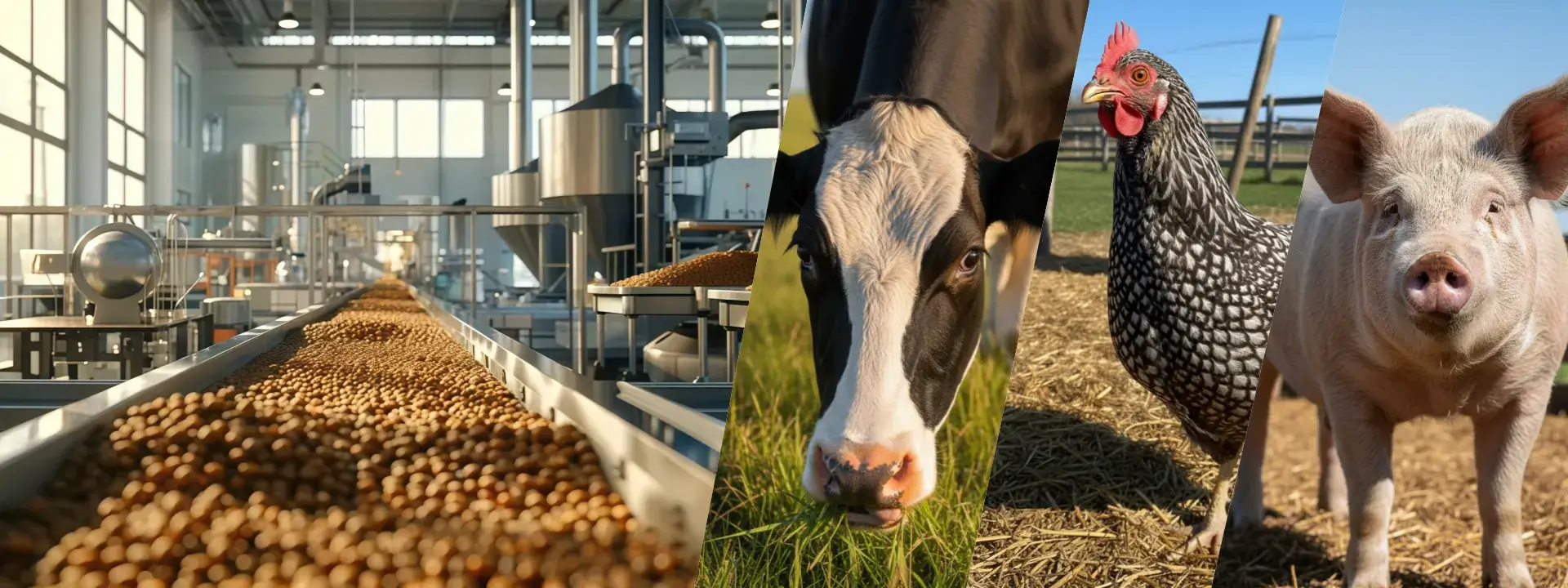
how do the four different animal nutrition supplements compare?
When comparing the four main categories of animal nutritional supplements—Ruminant, Swine, Poultry, and Universal—the primary differences lie in the digestive physiology of the target animal and the specific production goals (e.g., milk yield vs. growth speed).Here is a professional comparison breakdown for your B2B clients:1. Ruminant Series (Cattle, Sheep, Goats)Biological Focus: The Rumen (fermentation vat).Key Ingredients: Rumen-protected enzymes, buffers (like Sodium Bicarbonate), and yeast cultures.Primary Goal: Stabilizing pH levels to prevent Acidosis and enhancing the breakdown of complex fibers (cellulose/hemicellulose).Unique Edge: These products must survive the rumen environment to be effective or specifically target the microbial population within it.2. Swine Series (Pigs)Biological Focus: Monogastric Gut Health (single stomach).Key Ingredients: Organic acids, Proteases, and specialized Probiotics (like Bacillus subtilis).Primary Goal: Improving Feed Conversion Ratio (FCR) and managing “Weaning Stress.”Unique Edge: Focused heavily on the early-stage development of the intestinal villi to ensure maximum nutrient absorption during rapid growth phases.3. Poultry Series (Broilers, Layers)Biological Focus: Rapid Metabolism and Calcium Processing.Key Ingredients: Phytase (for phosphorus release), NSP enzymes, and organic minerals (Zinc/Manganese).Primary Goal: Increasing growth velocity in broilers and improving eggshell quality and bone strength in layers.Unique Edge: Poultry have a very short digestive tract; supplements must be highly “fast-acting” and bio-available.4. Universal/General SeriesBiological Focus: Core Biological Functions (Immunity & Basic Digestion).Key Ingredients: Multi-enzyme complexes, stabilized Vitamins, and Antioxidants.Primary Goal: Providing a “Safety Net” for general health, reducing oxidative stress, and streamlining inventory for multi-species farms.Unique Edge: High stability and versatility. These are designed to be “heat-stable” for various pelleting processes across different feed types.Summary Comparison TableFeatureRuminantSwinePoultryUniversalPrimary TargetRumen MicrofloraSmall IntestineRapid AbsorptionOverall ImmunityTop ConcernpH Balance (Acidosis)Diarrhea/Growth LagFCR / Egg QualityMulti-Species SafetyKey EnzymeCellulase / XylanaseProteasePhytaseMulti-ComplexB2B ValueLongevity & Milk FatUniformity & WeightCycle TurnoverInventory EfficiencyWhich one should you choose?If you are a Specialized Farm, choose the species-specific series for maximum biological results.If you are a Distributor or Large Integrator, the Universal Series offers the best logistics efficiency and lower risk of dead stock.
how is enzyme supplementation used to improve animal nutrition?
Enzyme supplementation is one of the most significant breakthroughs in modern animal nutrition. In professional livestock production, enzymes are used as bio-catalysts to unlock the full nutritional value of feed, which is otherwise inaccessible to the animal.Here is a breakdown of how enzymes improve animal nutrition from a technical and commercial perspective:1. Neutralizing Anti-Nutritional Factors (ANFs)Many raw feed materials, such as soybean meal, wheat, and barley, contain Anti-Nutritional Factors. These are compounds like phytic acid or non-starch polysaccharides (NSPs) that the animal cannot digest on its own.How it works: Enzymes like Phytase or Xylanase specifically target and break down these chemical structures.The Benefit: By neutralizing ANFs, the “anti-nutritive” effect (like increased gut viscosity) is removed, allowing nutrients to flow freely for absorption.2. Increasing Nutrient Bio-availabilityEven high-quality feed isn’t 100% digestible. A significant portion of protein and energy is “trapped” within cell walls.How it works: Added Proteases and Amylases supplement the animal’s endogenous (natural) enzymes.The Benefit: They help break down proteins and starches more completely. This ensures that the animal extracts more calories and amino acids from every kilogram of feed, directly improving the Feed Conversion Ratio (FCR).3. Phosphorus Release and Environmental ImpactPhosphorus is essential for bone health but is often bound in plants as “phytic acid,” which animals can’t digest.How it works: Phytase enzymes release this bound phosphorus.The Benefit: This reduces the need for expensive inorganic phosphorus supplements (like DCP/MCP). Furthermore, it prevents excess phosphorus from being excreted in manure, which helps farms comply with environmental regulations regarding groundwater protection.4. Improving Gut Health and MicrofloraUndigested feed in the hindgut acts as a food source for pathogenic bacteria like E. coli or Clostridium.How it works: By ensuring more complete digestion in the upper GI tract, enzymes leave less “substrate” for harmful bacteria to grow.The Benefit: This promotes a healthier gut microbiome, leading to drier litter (in poultry) and a lower incidence of diarrhea (in swine), ultimately reducing the reliance on antibiotics.Summary of Benefits for B2B ClientsFeatureNutritional ImpactEconomic ValueEnergy UnlockReleases trapped calories in grain.Lower cost per calorie in feed formulation.Protein EfficiencyBetter amino acid absorption.Faster growth and shorter days-to-market.Fiber BreakdownReduces gut viscosity.Better consistency in stool and cleaner pens.Mineral ReleaseFrees bound Phosphorus/Calcium.Significant savings on mineral additives.Why Granful Enzymes?At our factory, we focus on Thermal Stability. Most enzymes are destroyed by the heat of the pelleting process. Our products utilize advanced coating technology to ensure the enzymes remain “dormant” during feed production and only “activate” once they reach the animal’s stomach.